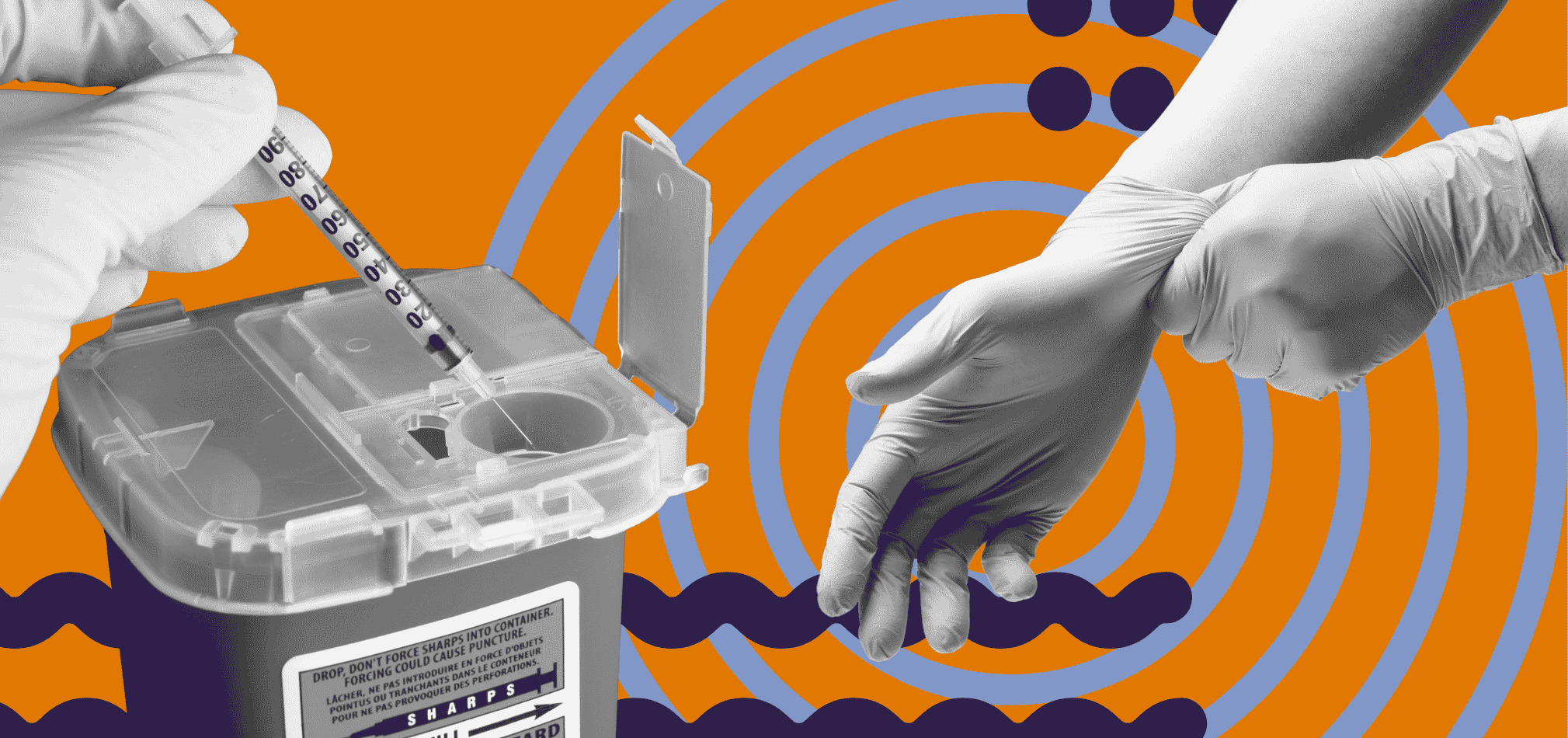
Infection prevention looks different when care is delivered in a patient’s home.
Home health and hospice clinicians are not working in controlled hospital rooms. They may be entering homes with:
- Pets
- Shared living spaces
- Limited sinks
- Crowded surfaces
- Family caregivers
- Medical equipment
- Varying levels of cleanliness
Supplies and equipment also travel with clinicians from one patient’s home to another.
CMS specifically recognizes these challenges. Its home health survey guidance notes that care is delivered in an uncontrolled home environment, supplies must be transported and protected, and some patients may not have easy access to basic hygiene necessities.
Surveyors are instructed to observe infection-control practices during actual home visits and determine whether an agency’s policies are being followed in practice.

*This article was written in consultation with Mariam Treystman.
For Medicare-certified agencies, infection prevention is also a Condition of Participation. At The Home Health Consultant, we work with Medicare-certified home health and hospice agencies on infection control, survey readiness, QAPI, and ongoing regulatory compliance. In this article, we are focusing specifically on how Standard Precautions should translate into care delivered in the patient’s home.
One clarification is important before we begin: the CDC does not currently publish one official list called “the seven Standard Precautions.” Its Core Infection Prevention and Control Practices group Standard Precautions into six major practice areas, while its broader Standard Precautions guidance separately addresses issues such as sharps and contaminated textiles.
For practical use in home health and hospice, we have organized the seven categories that agencies should address in their policies, training, and field practices.
What Are Standard Precautions in Home Health and Hospice?
Standard precautions are the infection-prevention practices that should be used with every patient, regardless of whether the patient is known or suspected to have an infection.
That distinction matters. Staff should not wait until a patient has MRSA, influenza, COVID-19, hepatitis, or another diagnosed infection before thinking about infection control.
Instead, the clinician evaluates the task being performed and the potential for exposure to:
- Blood
- Body fluids
- Respiratory secretions
- Non-intact skin
- Contaminated equipment
- Other infectious material
Appropriate precautions are then used based on that risk.
For home health agencies, CMS specifically states that Standard Precautions apply to all patients regardless of suspected or confirmed infection status at the time healthcare is delivered.
So, what should that actually look like in the home?
1. When Should Home Health and Hospice Staff Perform Hand Hygiene?
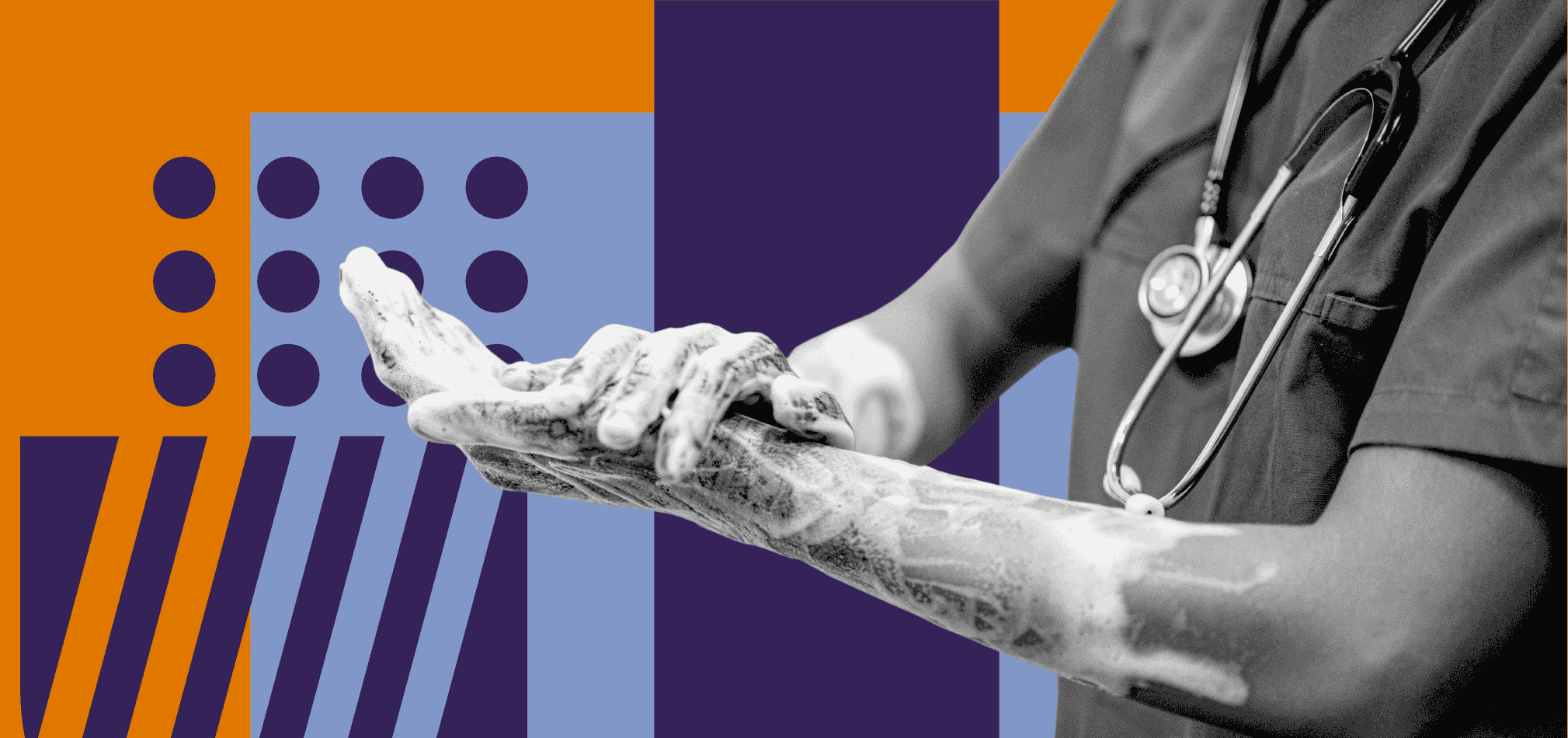
Hand hygiene remains one of the most important infection-prevention practices in healthcare.
According to current CDC guidance, healthcare personnel should perform hand hygiene:
- Before touching the patient
- Before an aseptic task or handling an invasive medical device
- Before moving from a contaminated body site to a clean body site on the same patient
- After touching the patient or the patient’s immediate environment
- After contact with blood, body fluids, or contaminated surfaces
- Immediately after removing gloves
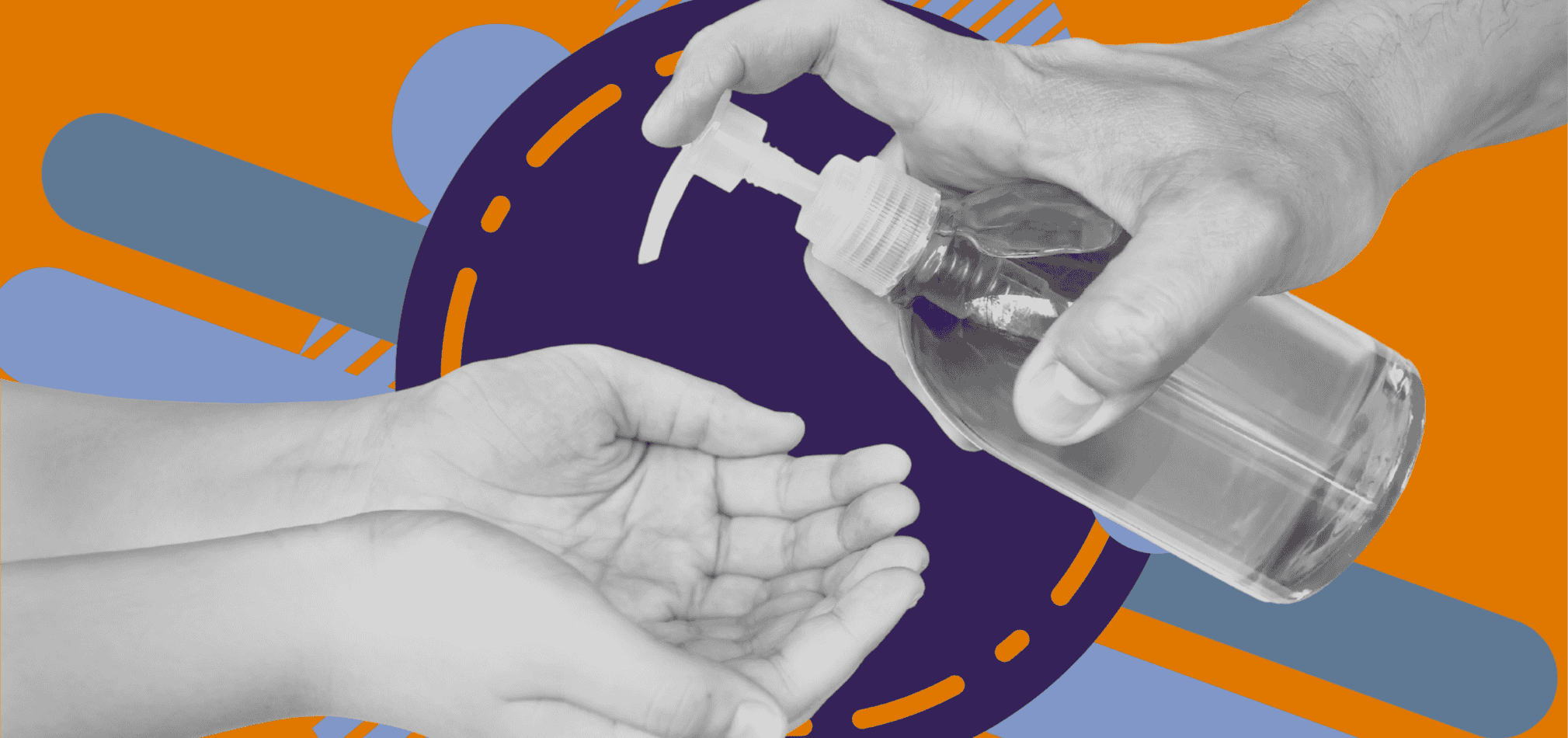
CDC generally prefers an alcohol-based hand rub in most clinical situations when hands are not visibly soiled. Soap and water should be used when hands are visibly dirty or soiled.
For home-based care, the agency cannot assume that every home will have an appropriate sink, soap, clean towels, or other supplies available. Staff therefore need access to the supplies necessary to perform hand hygiene independently.
Gloves also do not replace hand hygiene. Staff still need to clean their hands after glove removal and at the other appropriate points during care.
A strong agency policy should translate these rules into actual visit workflow rather than simply telling staff to “wash hands as needed.”
2. When Should Staff Use Gloves, Gowns, Masks, and Other PPE in the Home?
Personal protective equipment should be selected based on the anticipated exposure during the task. The decision should not be based on whether a patient does or does not have a known infection.
The CDC recommends:
- Gloves when contact with blood, body fluids, mucous membranes, non-intact skin, contaminated skin, or contaminated equipment can reasonably be anticipated.
- Gowns when an activity may expose the clinician’s skin or clothing to blood, body fluids, secretions, or excretions.
- Masks and eye protection or face shields when a procedure could create splashes or sprays that may reach the eyes, nose, or mouth.
This can be particularly important in home health and hospice. Clinicians may perform wound care, catheter care, ostomy care, suctioning, injections, personal care, and other procedures in spaces that are not designed for healthcare.
Staff should therefore have the appropriate PPE available before entering the home or beginning the procedure.
The agency should also train clinicians to:
- Remove PPE without contaminating themselves
- Perform hand hygiene afterward
- Avoid carrying contaminated disposable PPE into another patient-care environment
3. How Should Home Health and Hospice Agencies Address Respiratory Hygiene and Cough Etiquette?

Standard Precautions also include reducing potential exposure to respiratory pathogens.
CDC guidance includes encouraging symptomatic individuals to:
- Cover coughs and sneezes
- Use tissues
- Dispose of contaminated tissues appropriately
- Clean their hands after contact with respiratory secretions
- Use a mask when appropriate and tolerated
- Separation from others can also be used when feasible
This requires a different approach in a private home than it would in a hospital waiting room.
For example, a home health or hospice clinician may arrive and discover that the patient, or a household member, has developed new respiratory symptoms since the visit was scheduled. Staff should know how to:
- Assess the situation
- Use the appropriate PPE, reduce unnecessary exposure, and follow agency procedures for notifying the clinical team when additional precautions may be required.
Patients and caregivers also need education. Both the home health and hospice Medicare Conditions of Participation specifically require infection-control education for patients and caregivers, in addition to staff education.
4. What Are Safe Injection and Medication Practices in a Patient’s Home?
Medication preparation in the home deserves special attention because there may not be a dedicated medication room or controlled work surface.
CDC guidance says medications should be prepared using aseptic technique in a clean area separated from potential sources of contamination, including sinks or other water sources.
Needles and syringes are for one patient only, and a new needle and new syringe should be used each time a medication container is entered. Single-dose or single-use vials, ampules, bags, and parenteral solutions should be used for one patient only.
CMS specifically addresses this challenge in its home health survey guidance. Because staff have limited control over a patient's home environment, CMS describes using a cleaned and disinfected surface or placing a clean barrier on the surface where clean equipment will be placed or injectable medications prepared.
That is an important home-care distinction.
A kitchen counter, bedside table, bathroom counter, or other household surface should not automatically be treated as a clean medication-preparation area.
Before preparing an injection or performing another aseptic procedure, the clinician needs to create and maintain an appropriate clean field.
5. How Should Needles and Other Sharps Be Handled During a Home Visit?
Sharps safety becomes especially important when clinicians work outside a controlled healthcare environment.
CDC Standard Precautions state that used needles should not be:
- Recapped
- Bent
- Broken
- Manipulated by hand and that used sharps should be placed in an appropriate puncture-resistant container
OSHA's Bloodborne Pathogens Standard similarly requires contaminated sharps to be discarded immediately or as soon as feasible into appropriate sharps containers and generally prohibits bending, recapping, or removing contaminated needles.
The practical question for a home health or hospice agency is: Where is the sharps container when the clinician needs it?
Staff should not finish an injection and then walk through a patient's home carrying an exposed needle while looking for a disposal container.
The agency's process should address:
- The availability and placement of sharps containers
- Safe disposal
- What happens when a container is full
- How sharps and other regulated waste are handled in accordance with applicable federal, state, and local requirements.
Staff should also know exactly what to do after a needlestick or other occupational exposure, including immediate first aid, reporting, and post-exposure evaluation.
6. How Should Staff Clean and Disinfect Surfaces in a Patient’s Home?
A home health or hospice agency is obviously not responsible for disinfecting a patient's entire home.
It is, however, responsible for preventing its own care practices, supplies, and equipment from becoming a source of transmission.
CDC recommends:
- Routine and targeted cleaning of patient-care surfaces based on the degree of contact and contamination
- Prompt decontamination of spills of blood or potentially infectious material
- Use of appropriate EPA-registered disinfectants, and following the manufacturer's instructions for use (including required contact time)
The expectation is not that the home resembles a hospital. Instead, clinicians need to protect the area they use for patient care and the equipment and supplies under their control.
For example, if a clinician needs to place wound-care supplies on a table, the clinician should establish an appropriately clean surface or barrier before placing clean supplies there.
The same principle applies to protecting clean items from children, pets, food, household clutter, dirty surfaces, bodily fluids, and other potential sources of contamination during the visit.
7. How Should Reusable Equipment, Contaminated Items, Laundry, and Supplies Be Handled Between Home Visits?
This may be one of the most overlooked areas of infection prevention in home-based care.
Unlike hospital equipment that may remain on one unit, home health and hospice clinicians routinely transport equipment and supplies from one home to another.
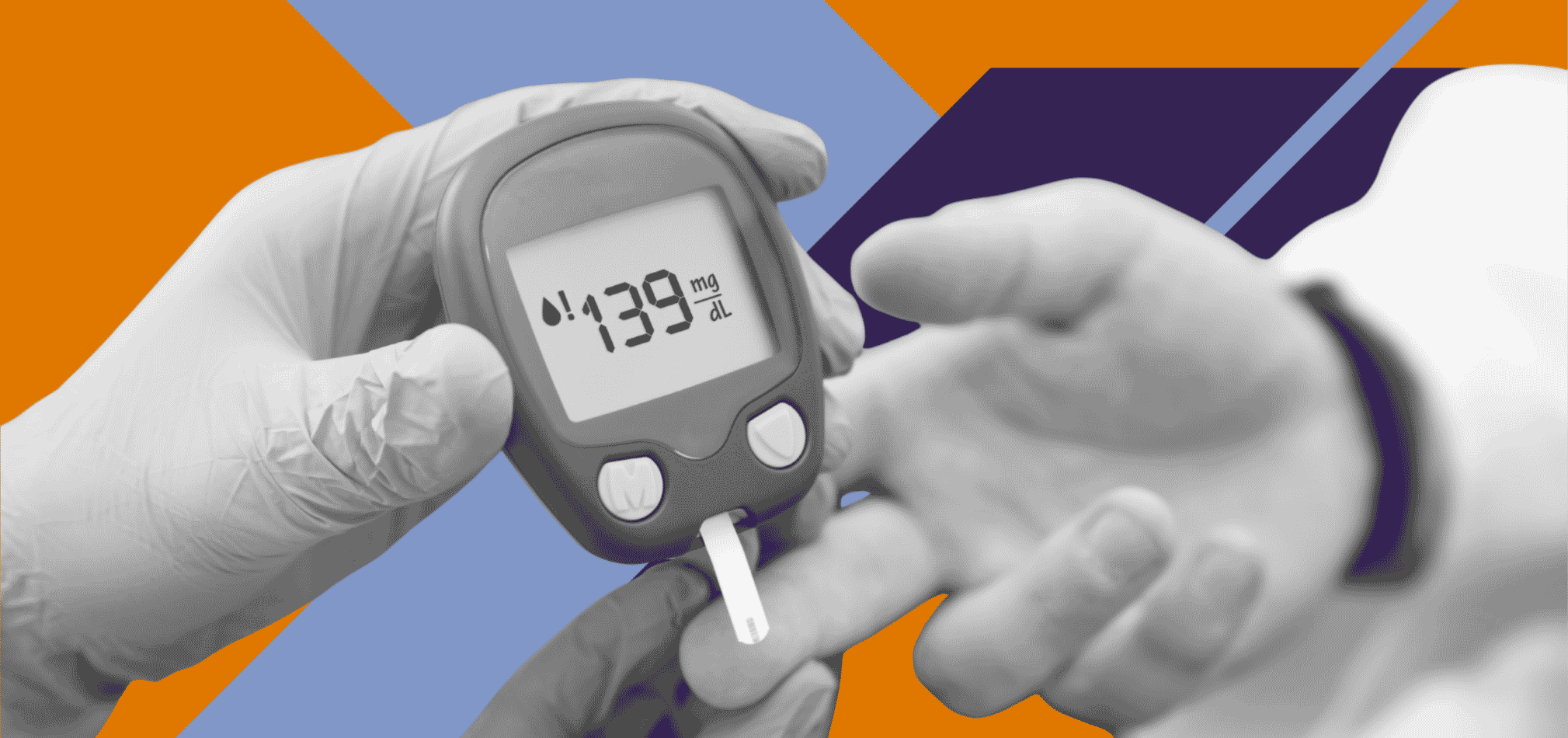
CMS specifically instructs home health agencies to ensure that reusable equipment, such as…
- blood glucose meters,
- blood pressure cuffs,
- and pulse oximeter probes
…is reprocessed before use on another patient and whenever it becomes soiled.
Staff must also maintain separation between clean and soiled equipment to prevent cross-contamination both inside the patient's home and during transportation.
Manufacturer instructions matter. Equipment should be cleaned, disinfected, sterilized, stored, transported, and used according to its intended method of reprocessing.
CDC Standard Precautions also require careful handling of contaminated patient-care equipment and textiles so microorganisms are not transferred to people, other equipment, or the environment.
For agencies, this means infection-control procedures should continue after the clinician walks out the patient's front door.
- The vehicle,
- supply containers,
- reusable equipment,
- paperwork,
- electronic devices,
- and other items that travel between patients
…all need to be considered when the agency develops its clean-versus-contaminated workflow.
What Infection-Control Mistakes Can Put a Home Health or Hospice Agency at Risk?
Many infection-control problems occur because the agency’s written policy does not match what actually happens in the home.
Common vulnerabilities can include but are not limited to:
- Staff who wear gloves but skip hand hygiene
- Medication preparation on an unclean household surface
- Inadequate PPE supplies in the field
- Reusable equipment moving from one patient to another without documented or consistent reprocessing
- Poor separation of clean and contaminated equipment
- Improper sharps disposal
- Policies that appear to have been written for a hospital rather than a home-care environment
CMS makes the practical expectation clear for home health agencies: surveyors may observe staff during home visits and determine whether the agency's infection-control procedures are actually being implemented.
A well-written policy is important.
A well-written policy that staff can consistently follow inside real patient homes is better.
How Can Home Health and Hospice Agencies Stay Compliant With Standard Precautions?
The goal of Standard Precautions is straightforward: do not allow the clinician, equipment, supplies, or care environment to become the pathway by which an infection moves from one person or place to another.
Achieving that goal in home health and hospice requires policies specifically designed around home visits, not copied from facility-based infection-control procedures.
But agencies also need to connect those practices to staff competency, patient and caregiver education, infection surveillance, corrective action, and QAPI.
At The Home Health Consultant, we help home health and hospice agencies evaluate their infection-control programs, update policies and procedures, prepare for surveys, and build compliance processes that make sense in the actual environments where their clinicians provide care.
If you are unsure whether your agency's infection-control program reflects current CMS and CDC expectations, schedule a consultation with The Home Health Consultant to review your current compliance program and identify areas that may need attention.

*Disclaimer: The content provided in this article is not intended to be, nor should it be construed as, legal, financial, or professional advice. No consultant-client relationship is established by engaging with this content. You should seek the advice of a qualified attorney, financial advisor, or other professional regarding any legal or business matters. The consultant assumes no liability for any actions taken based on the information provided.
Topics: